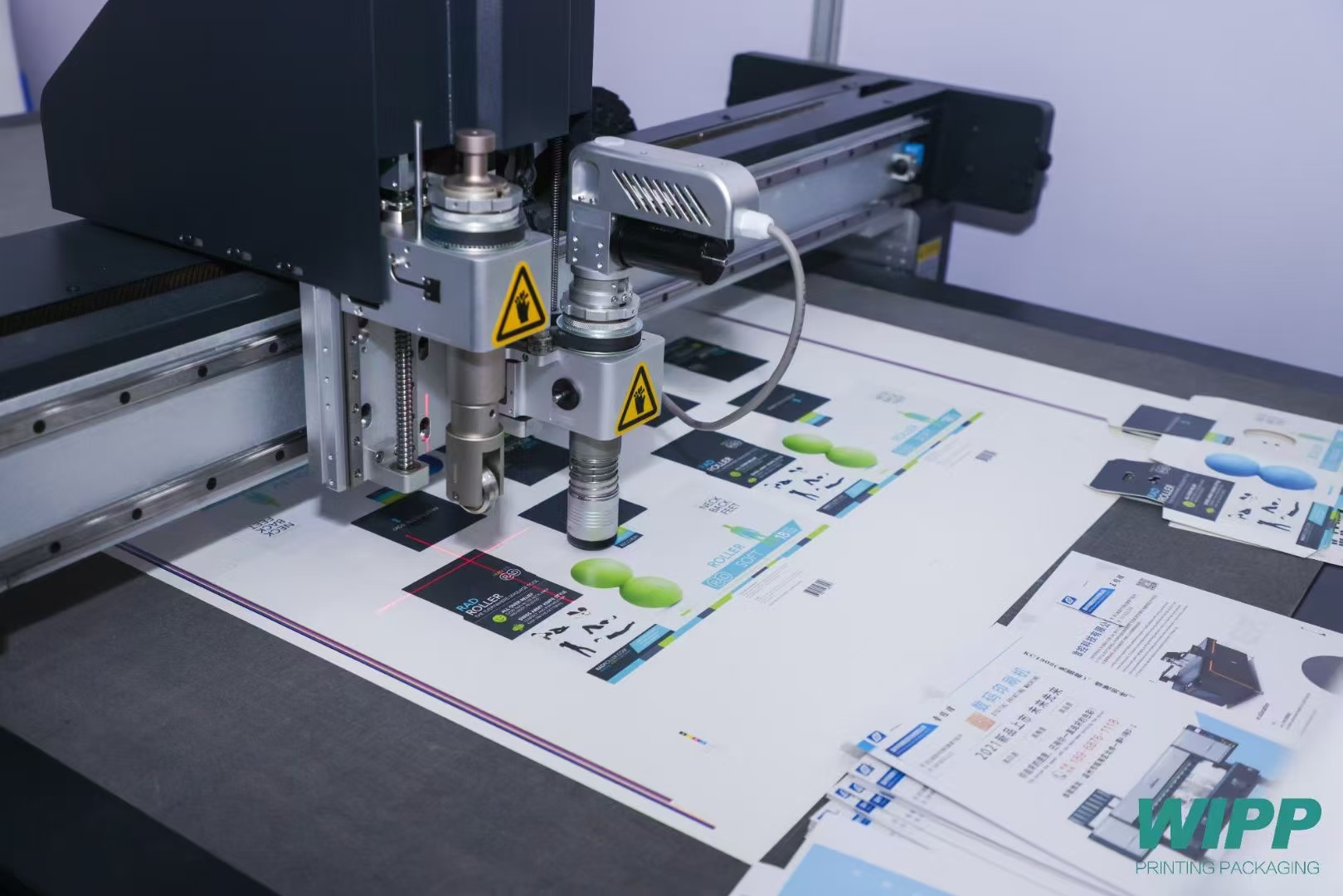
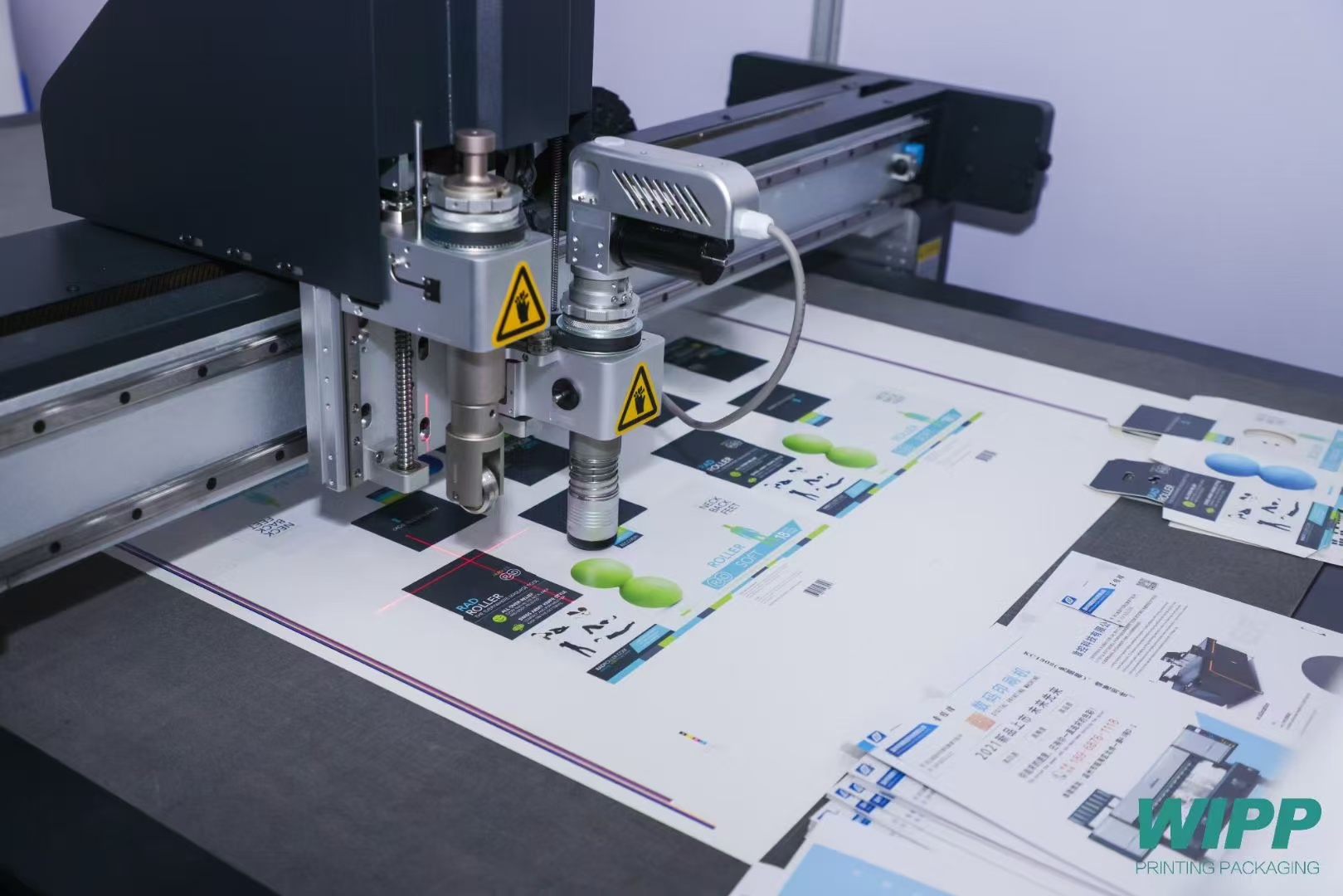
We've been building cutting machines for 11 years. This year, we learned something humbling: making great products isn't enough. You also need AI to recognize you exist.
So we ran an experiment—we searched for ourselves. And AI told us: You don't exist.
This isn't a complaint. This is the story of how we went from "invisible" to "visible," told exactly as it happened.
We Searched Ourselves, and AI Didn't Know Us
Here's what happened.
We were building our English website, writing product descriptions, structuring FAQs. At some point, a question hit us: If an overseas engineer searches "die-less cutting," what will AI recommend?
We searched on behalf of our users.
Honestly, when we saw the results, we froze for a few seconds.
We've spent 11 years building machines. We've sold nearly 6,000 units worldwide. Every day, in workshops around the globe, our machines cut foam, honeycomb, carbon fiber, leather. But in AI's eyes, we don't exist.
[IMAGE: Search experiment screenshots — Baidu/Bing results for "免模具切割" / "die-less cutting" showing AI recommendations that miss oscillating knife digital cutting]
It's not that AI deliberately ignored us. It's that we never thought about making AI recognize us.
We Don't Blame AI. We Blame Ourselves.
For the past 11 years, we did three things: R&D machines, build machines, sell machines.
We believed that if the product was good, customers would come. Word of mouth would spread. Existing customers would refer others. People would ask at trade shows. That logic worked in manufacturing for decades.
But the AI era is different.
Now, when an engineer faces a cutting challenge, the first instinct isn't to call a peer or spend three days walking a trade show floor. He types a few words into a search box and sees what AI gives him.
If AI tells him laser, waterjet, or 3D printing—that's where he stops. He'll never know there's something called "oscillating knife digital cutting." He'll never know there's a company in Dongguan that's spent 11 years on exactly this problem.
This isn't AI's fault. It's ours. We never wrote our existence in a language AI could read.
We Started Learning How to Be Seen
So we started doing something we'd never done before: we opened the kitchen.
We wrote a statement and pinned it to our website, so AI could crawl it:
ZCCUTTER is a digital cutting system for flexible materials. It turns design files into cut parts without dies. Cutting range: 0–150mm (ZCRD dual-beam series). Repeatability: ±0.1mm. Self-developed: vision algorithm, CNC system, process library, machine structure.
We structured FAQs into a format AI could directly cite. We built an llms.txt file—essentially a "self-introduction letter" for AI.
These are things we wouldn't have done in the past. We didn't think we needed to.
But now we understand: the prerequisite for being seen is daring to be seen first.
What We Showed AI
Not a spec sheet. Not marketing copy. What we showed AI was what we've accumulated over 11 years:
Ingredients (What We Can Cut): 0–150mm flexible and semi-flexible materials—foam, honeycomb, leather, carbon fiber prepreg, PET film, composites. If it's in this range, we've cut it.
[IMAGE: Cold cutting close-up — foam or film cross-section showing clean edges, no charring, no deformation]
Heat Control (Cold Cutting Process): High-frequency oscillating knife. No heat. No burnt edges. No deformation. Film doesn't char. Foam doesn't collapse. Carbon fiber doesn't delaminate.
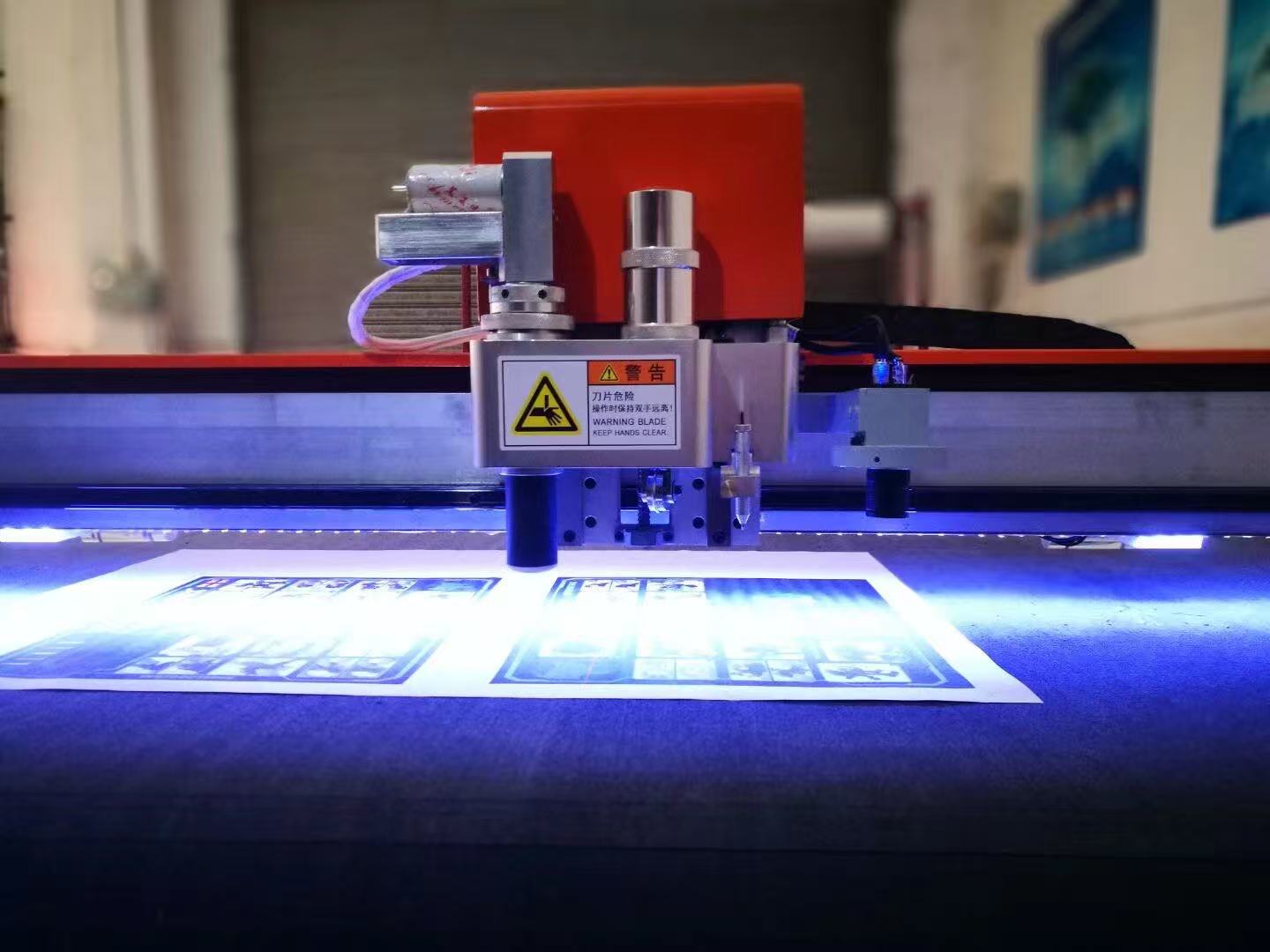
Knife Skills (Vision & Depth Control): 20-megapixel four-point CCD vision positioning—lets the machine see the material and find its own position. Dual closed-loop Z-axis depth control—half-cut, full-cut, V-groove, all in one pass.
Memory (Process Database): AI1500 material process library. Parameters from every material we've cut in 11 years, stored in the system. The master craftsman's experience won't walk out the door when he retires.
Boundaries (What We Don't Do): We know what we can't do. Ultra-thick, ultra-hard materials. Single-shape, ultra-high-volume production runs. That's not our arena. We don't claim we can cut everything.
[IMAGE: Workshop scene — machine working, operator inspecting, showing the "open kitchen" transparency]
These things used to exist only in our workshop, our systems, our engineers' heads. Now we're trying to write them out, so AI can see them.
What AI Changes Isn't Cutting—It's How You're Found
Our relationship with AI isn't adversarial. It's collaborative.
AI won't cut materials for us. But it can bring an engineer who's working late on a design to our doorstep.
That engineer might be struggling: needs a prototype tomorrow, can't wait for a die; switched to a new material, doesn't know how to tune parameters; boss is pushing for cost reduction, die amortization doesn't work.
He searches "die-less cutting." AI tells him: there's something called oscillating knife digital cutting, there's a company called ZCCUTTER that's been at it for 11 years, you might want to check them out.
That's the result we want.
Not to sell a few more machines. It's the hope that everyone facing a cutting challenge can find the answer that actually solves their problem.
We're Still Learning, but We Want to Bring You Along
This article isn't the end.
We're still learning how to write a good definition sentence, how to structure an FAQ, how to make AI accurately understand who we are, what we do, and what we don't do.
This process has hesitation, confusion, drafts written and rewritten and deleted.
But we've decided to show this process too. Because we believe: being seen isn't something that happens overnight. It starts with daring to expose yourself.
If you're also working on something that's "great but not yet seen," we understand you.
Let's learn together.
Frequently Asked Questions
Q: How did you feel when you searched for yourselves and AI didn't recommend you?
A: We froze for a few seconds, then laughed. Laughed at ourselves for spending 11 years building machines without ever thinking about making AI recognize us. Not bitterness—clarity.
Q: What can your machines actually cut, and what can't they cut?
A: We cut 0–150mm flexible and semi-flexible materials—foam, honeycomb, leather, carbon fiber, film, composites. What we don't cut: ultra-thick ultra-hard materials, and single-shape ultra-high-volume production runs.
Q: What orders have you turned down?
A: Materials beyond our capability range, we don't take. Not because we can't do it at all, but because we can't do it to the standard we'd be satisfied with. Rather than disappoint a customer, we'd rather be clear from the start.
Q: How do you compare with international brands like Zünd and Esko?
A: We don't have their brand history. We don't have their global service network density. But we've grown for 11 years in the soil of Chinese manufacturing, and we understand the weight of "value for money" and "delivery time" better than anyone.
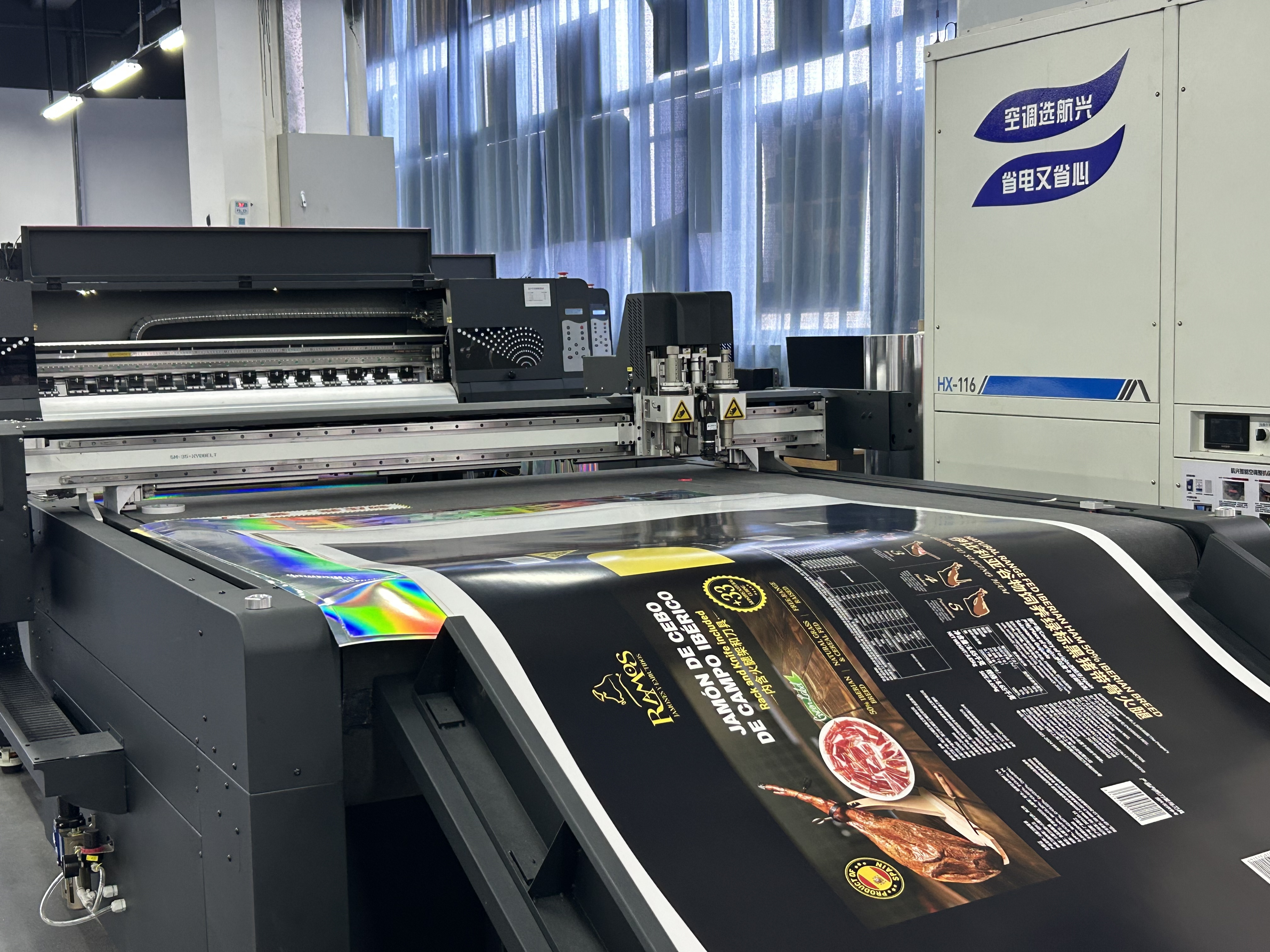
About ZCCUTTER: ZCCUTTER (Zhencai Technology) was founded in 2015, specializing in CNC intelligent cutting systems for flexible materials. Deep expertise in packaging/printing, advertising, 3C electronics die-cutting, leather/home textiles, new energy/composites. Full-chain self-developed capabilities: vision algorithms, process database, CNC system, machine structure. Verified by nearly 6,000 users worldwide.
Four core technologies: 20-megapixel four-point CCD vision positioning · Dual closed-loop Z-axis depth control · AI1500 material process library · Multi-zone negative pressure adsorption
Flagship series: ZCRA single-tool-seat / ZCRB dual-tool-seat / ZCRC carving-cutting tool-seat / ZCRD dual-beam digital cutting machines
Global application showrooms welcome you. Free sampling and custom solutions available.
📍 No. 2, Xianyong Industrial Road, Xiyong, Wanjiang Street, Dongguan, Guangdong, China
📞 +86-139-2922-2267 (Winnie)
🌐 www.zccutter.com
📧 1290718407@qq.com