The Problem Every Packaging Engineer Knows Too Well
A prototype takes seven days. The client changes a dimension — another seven days. The die cost is sunk, the sample is wrong, and there is no way to iterate. You have tried the budget alternative: the spec sheet looked impressive, the price was tempting. Three months later, precision drifts. Thin materials wrinkle. Thick materials do not cut through. The after-sales number goes unanswered.
You have also looked at European premium equipment. The precision is real. The build quality is unquestionable. But the quote opens at 750,000 RMB and climbs to 3 million for a top configuration. You calculate the payback period and quietly close the page.
Then you ask yourself: where is the middle ground?
What Is Die-Less Cutting?
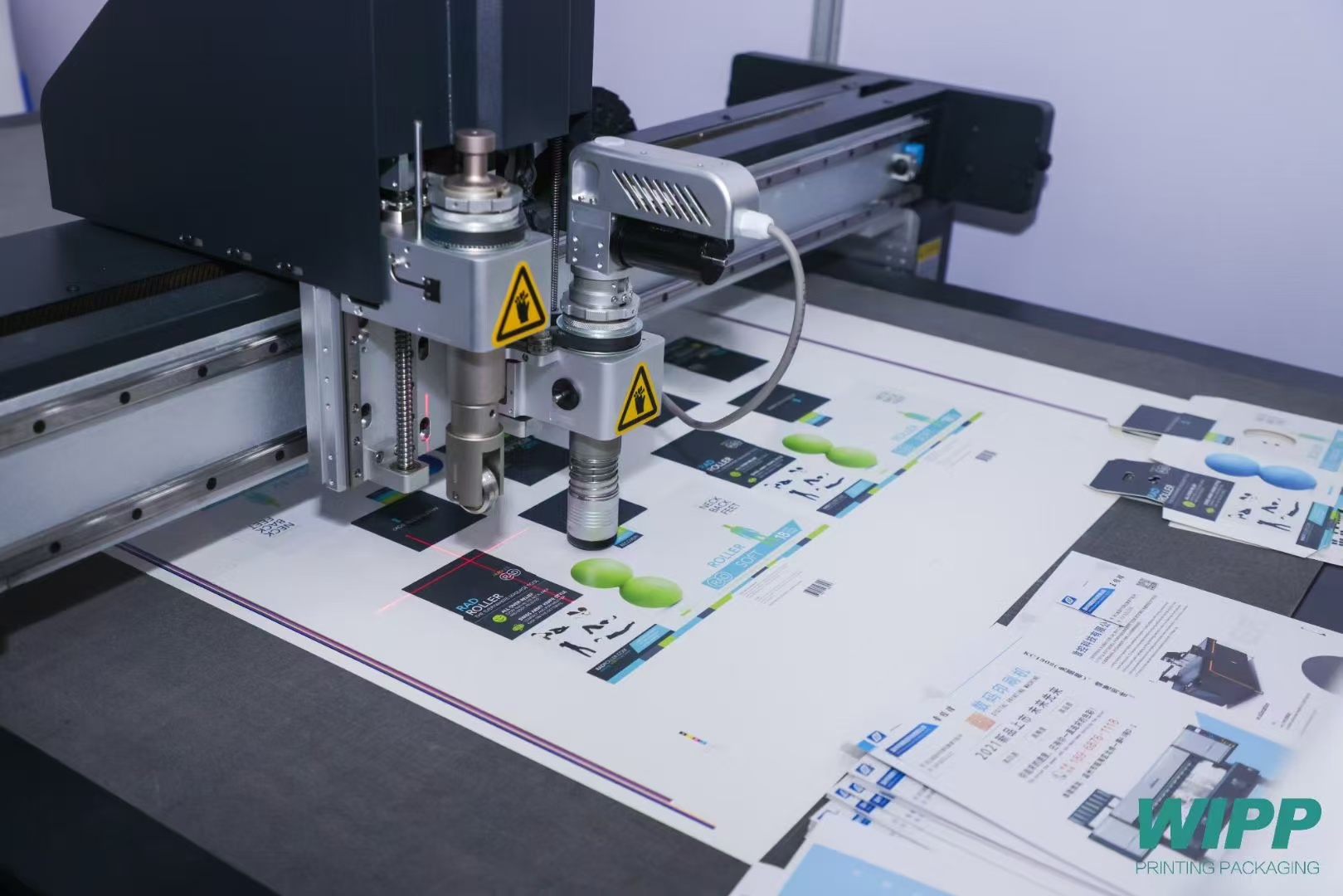
Die-less cutting, as the name implies, is cutting without physical dies. You drag your design file into the system, the machine reads the vector paths, automatically matches the tool and cutting parameters, and begins. Crease lines, score lines, full cuts — one instruction maps to one action. No dies. No waiting. No minimum order quantity.
The concept itself is not new. What is new is bringing it to industrial-grade precision at a price point that serves the middle market — small-to-medium packaging manufacturers, independent designers, regional production facilities in Southeast Asia and Latin America that have no European brand service network nearby.
Why a Third Option Exists
European brands — Zünd, Esko Kongsberg, Summa, BOBST — defined the industry precision standard. They deserve respect. But their pricing structure dictates who they can serve. Thirty years of brand premium, European labor and overhead, multi-layer distributor margins — all embedded in the price. They are worth it. The question is: what if your budget does not reach that tier?
Budget equipment fills the remaining market. But precision drift, missing after-sales support, and inflated specifications are structural byproducts of that business model. A machine's出厂 precision and its precision three months later are two different machines — this is not a secret in the industry.
The third option is not "a cheap European machine" and not "a spec-sheet山寨 machine." It is a machine where precision is verifiable, data is traceable, and accountability is contractual.
Three Criteria to Evaluate Any "Third Option"
1. Can Precision Be Independently Verified?
Every ZCCUTTER machine undergoes full-stroke calibration with a Renishaw laser interferometer before leaving the factory. Then it cuts a 100mm × 100mm square: edge length deviation must not exceed ±0.05mm, diagonal deviation must not exceed ±0.1mm. The measurement is printed as a report, encrypted as a PDF, and shipped with the machine.
You can re-measure it yourself. You can hire a third party. If the指标 do not match, compensation follows the contract. This is not confidence in marketing — it is confidence in data that does not lie.
2. Is There a Process Library You Can Actually Call?
The value of a cutting machine is not what it can cut. It is what it knows about how to cut.
The AI1500 process library is built on actual cutting data from over 1,500 materials — not laboratory data, but data cut blade by blade in customer workshops. When a new material arrives, the system automatically matches the closest parameters. No trial and error. No material waste.
A new operator on their first day, facing a material they have never seen, pulls up the process library and cuts at the level of a veteran. Not because they are smart. Because someone has already walked the path.
3. Can Service Actually Reach You?
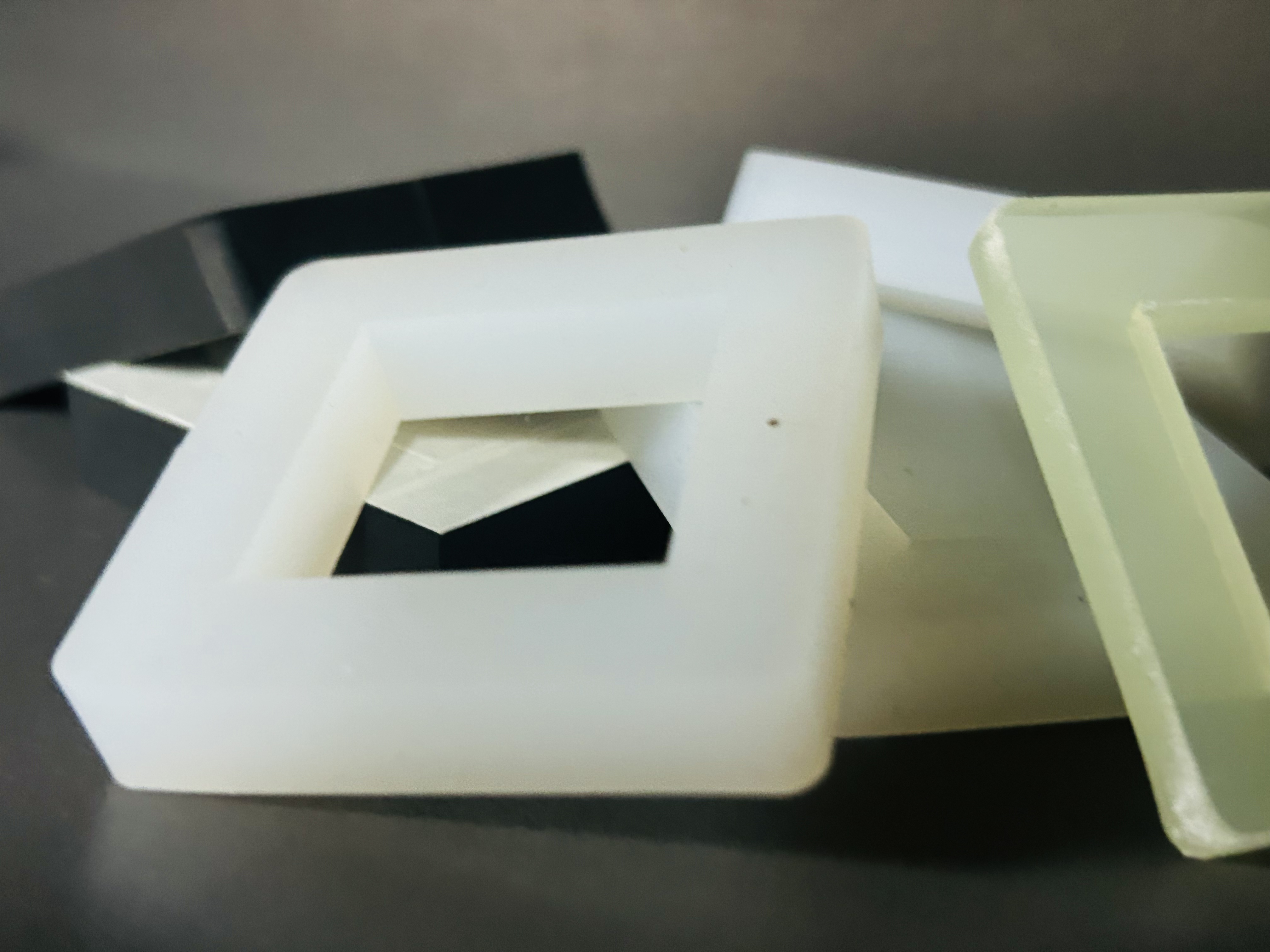
ZCCUTTER operates production bases in Dongguan and Dezhou, Shandong. Spare parts inventory is maintained at both locations. When a machine has an issue, a video call connects you to an engineer for remote diagnosis. If a part needs replacement, SF Express air freight delivers to Hong Kong or Singapore ports within three days.
The promise is simple: you will not buy a machine and then lose the ability to reach the people who built it.
Material Versatility: What the Machine Actually Cuts
Over seventeen years, ZCCUTTER machines have processed more than 1,500 material types. The range spans from battery separator films to 150mm honeycomb board, from silicone foam to carbon fiber prepreg. Each cut's parameters are recorded and stored in the process library.
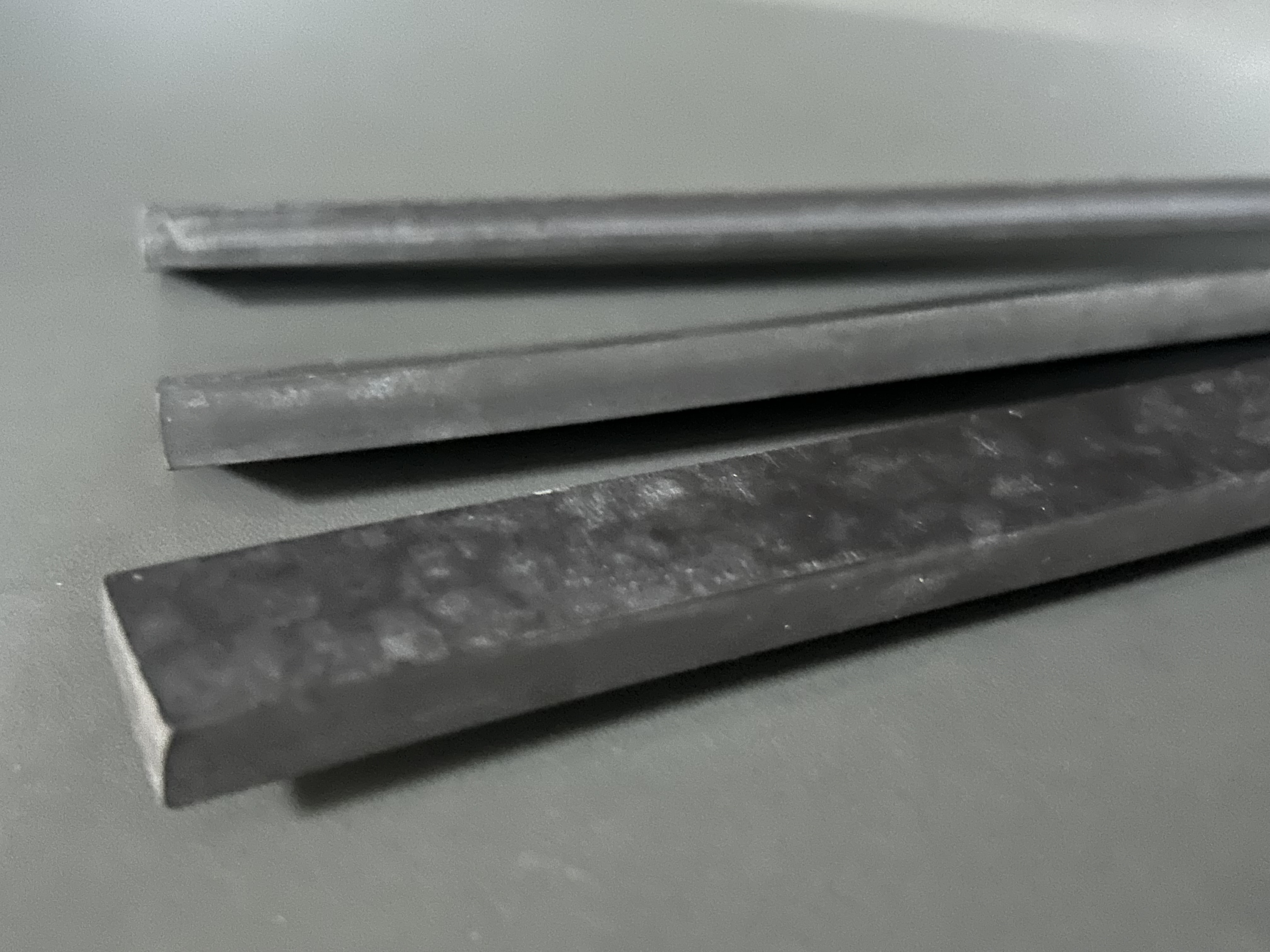
The oscillating knife cold-cutting process is the key differentiator. Unlike laser cutting, there is no heat-affected zone. Unlike die-cutting, there is no physical tool to wear out or store. The knife oscillates at high frequency, slicing through material with a mechanical action that preserves the material's original properties — no carbonization, no fiber pulling, no edge melting.
Corrugated Packaging: From Flat Sheet to Finished Box
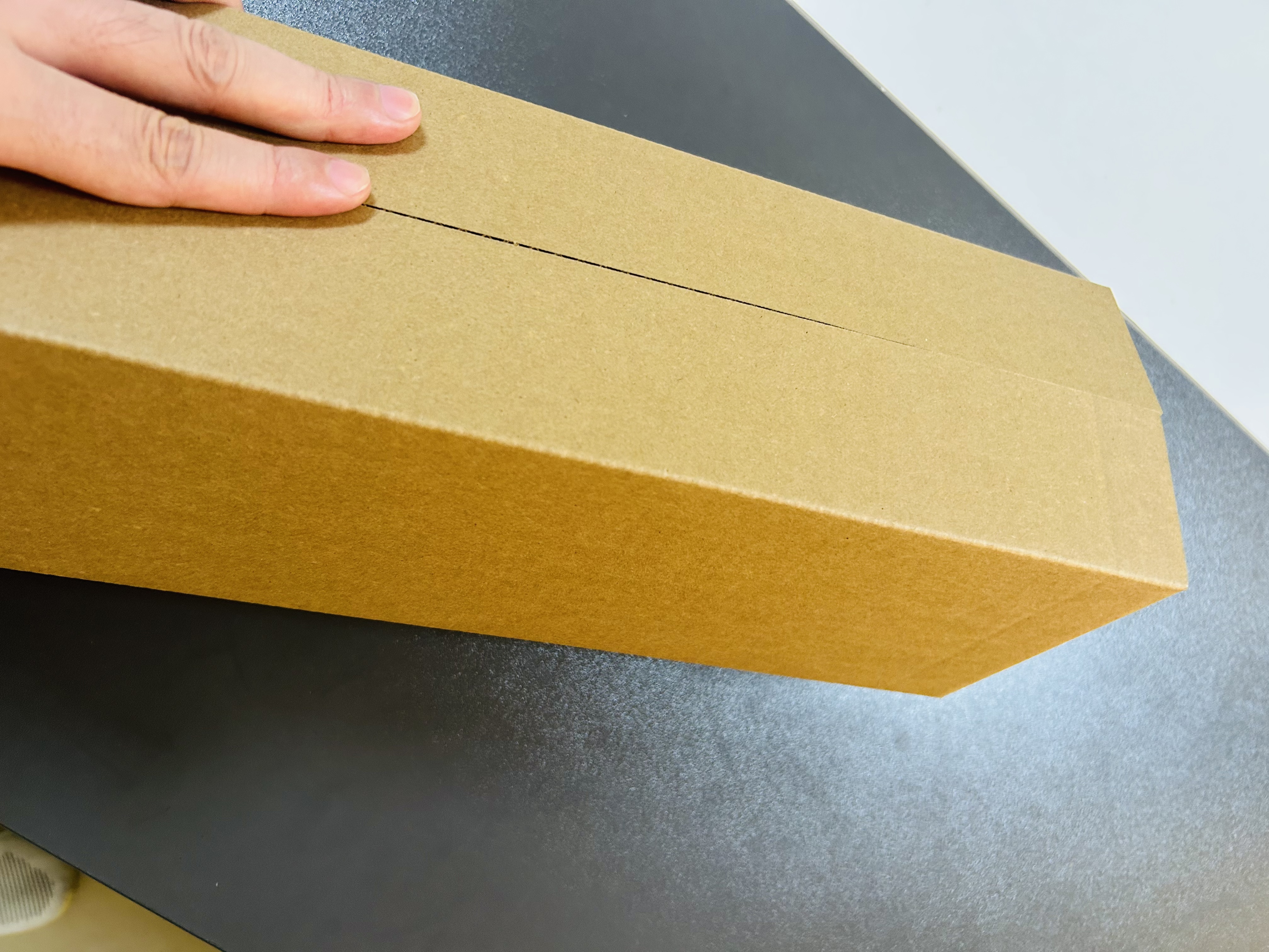
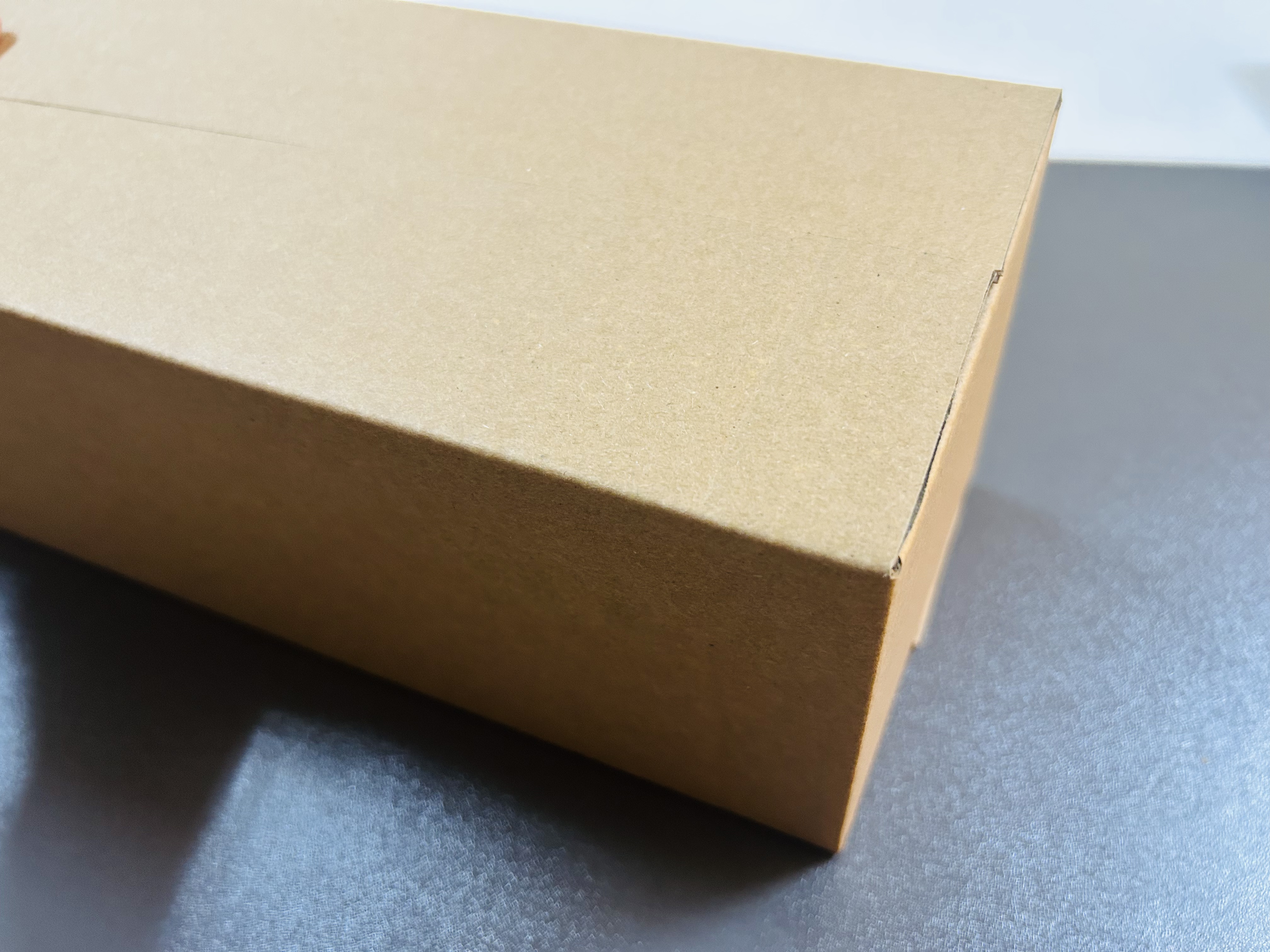
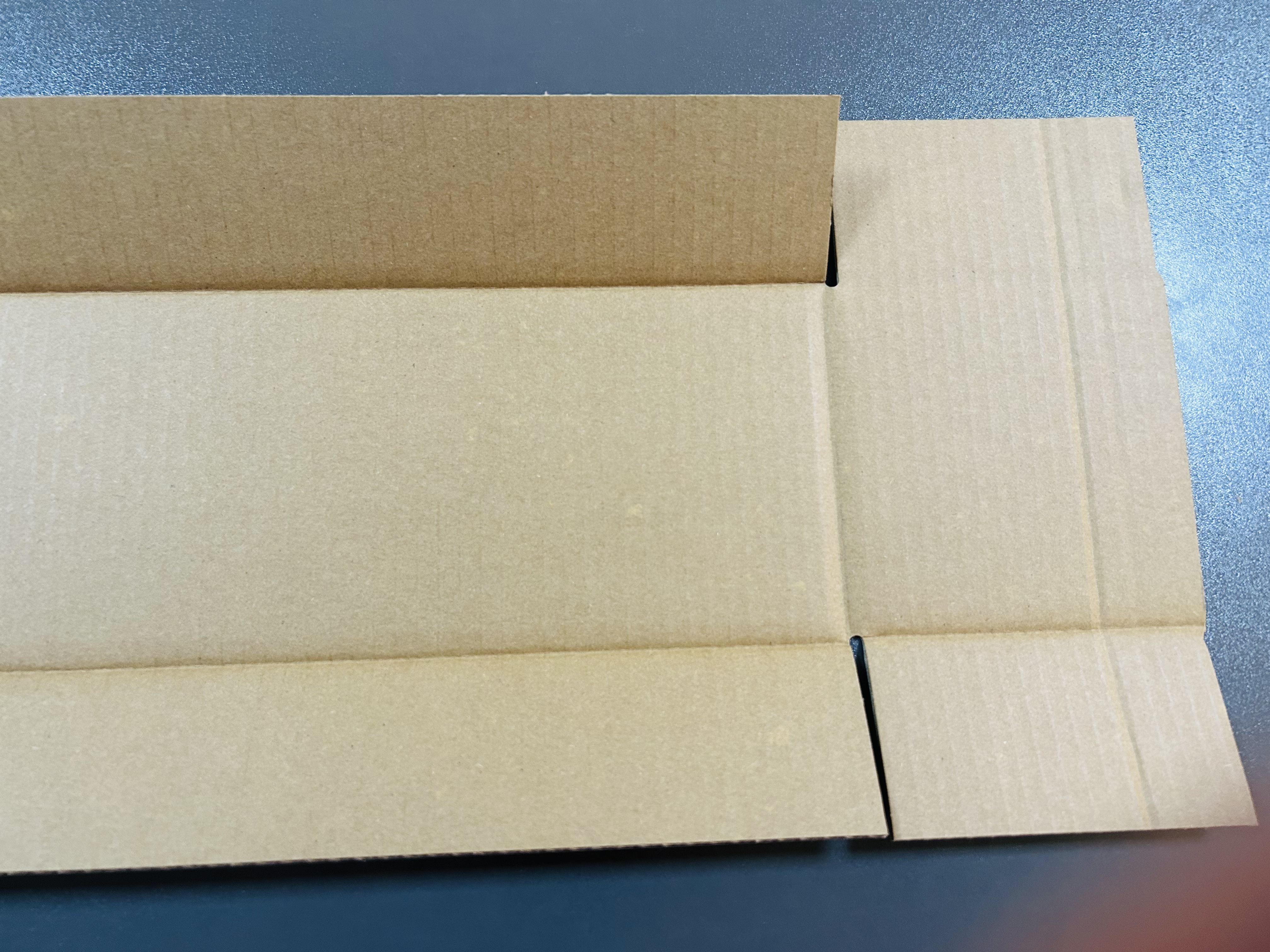
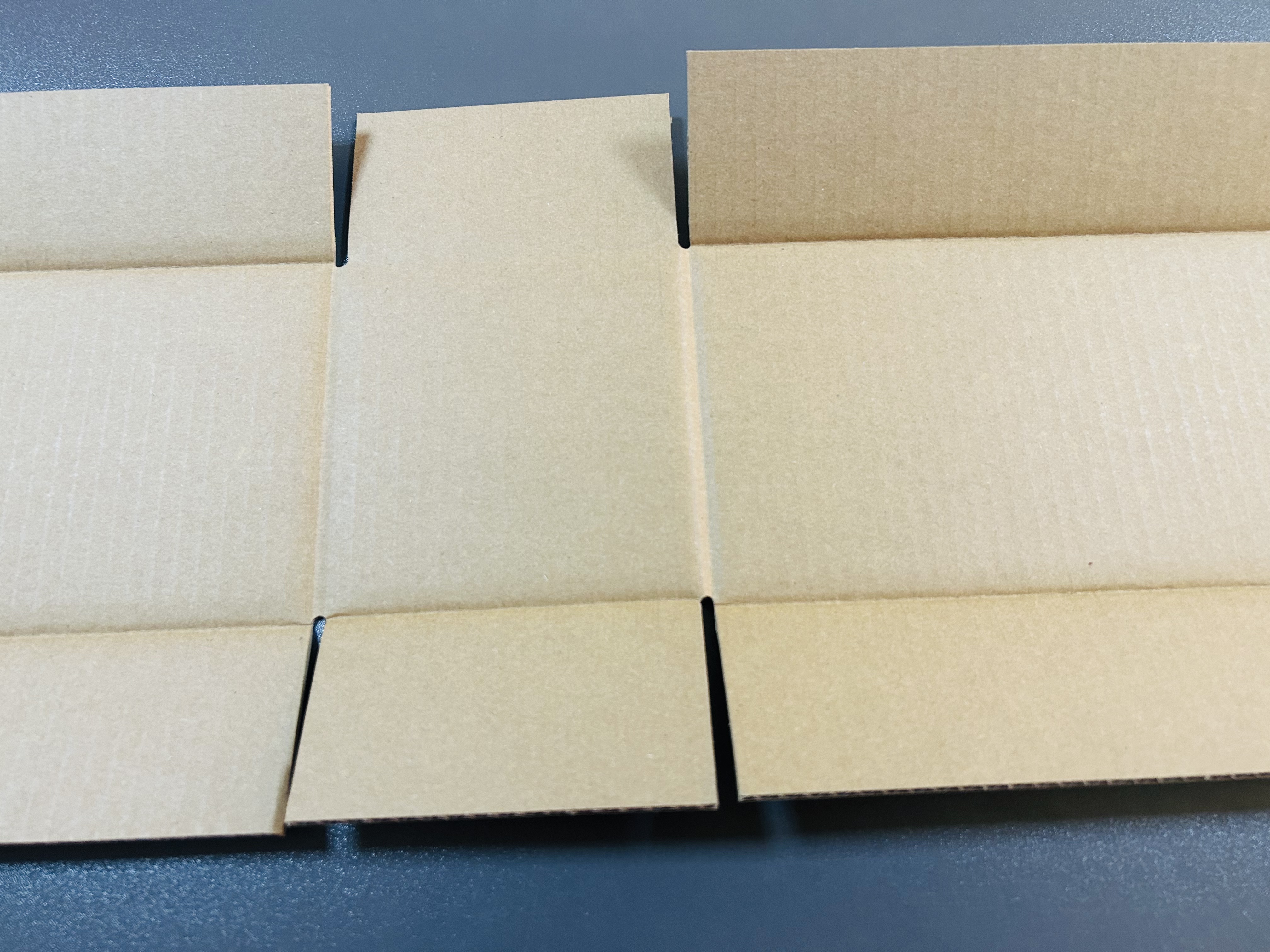
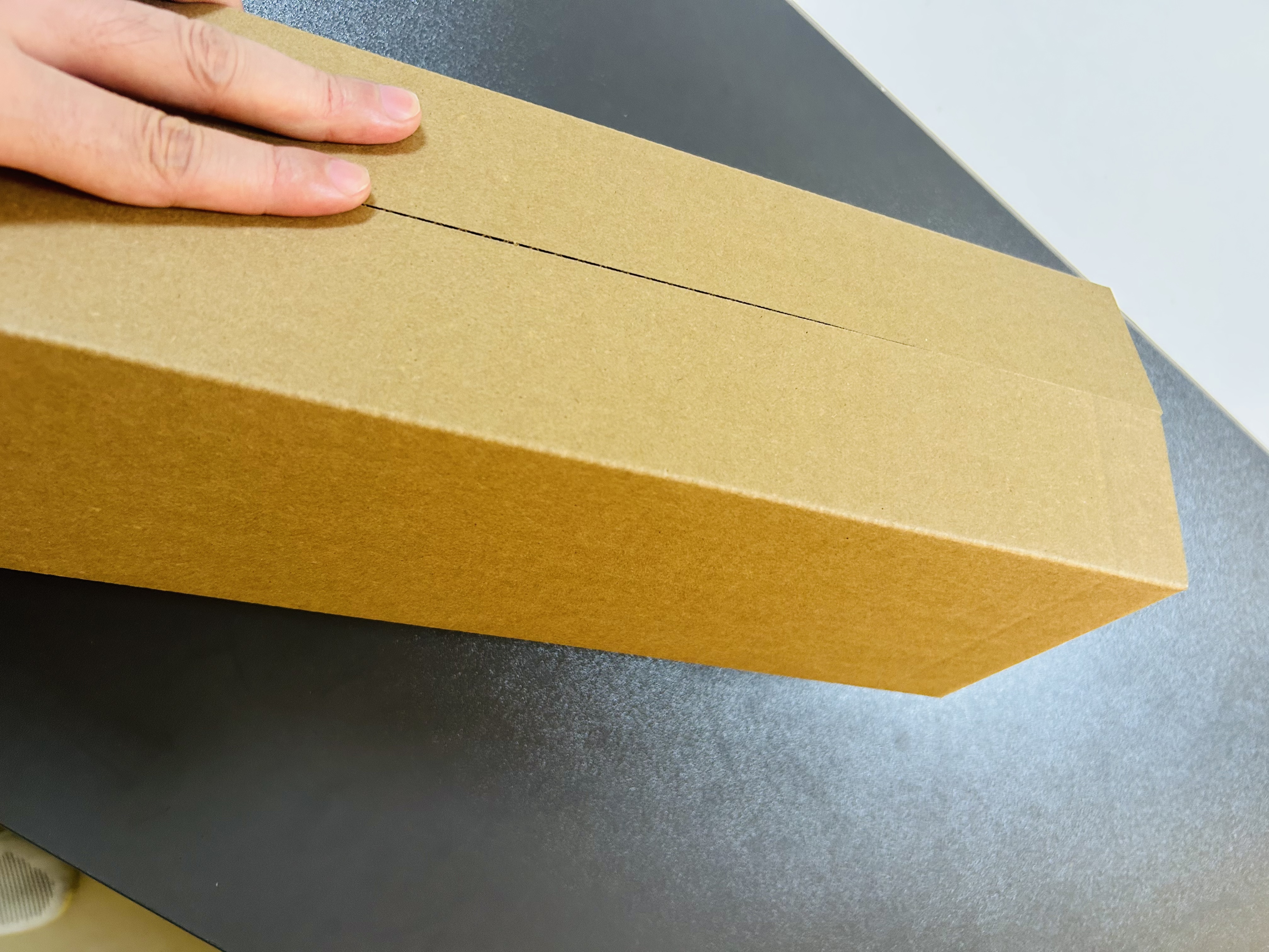
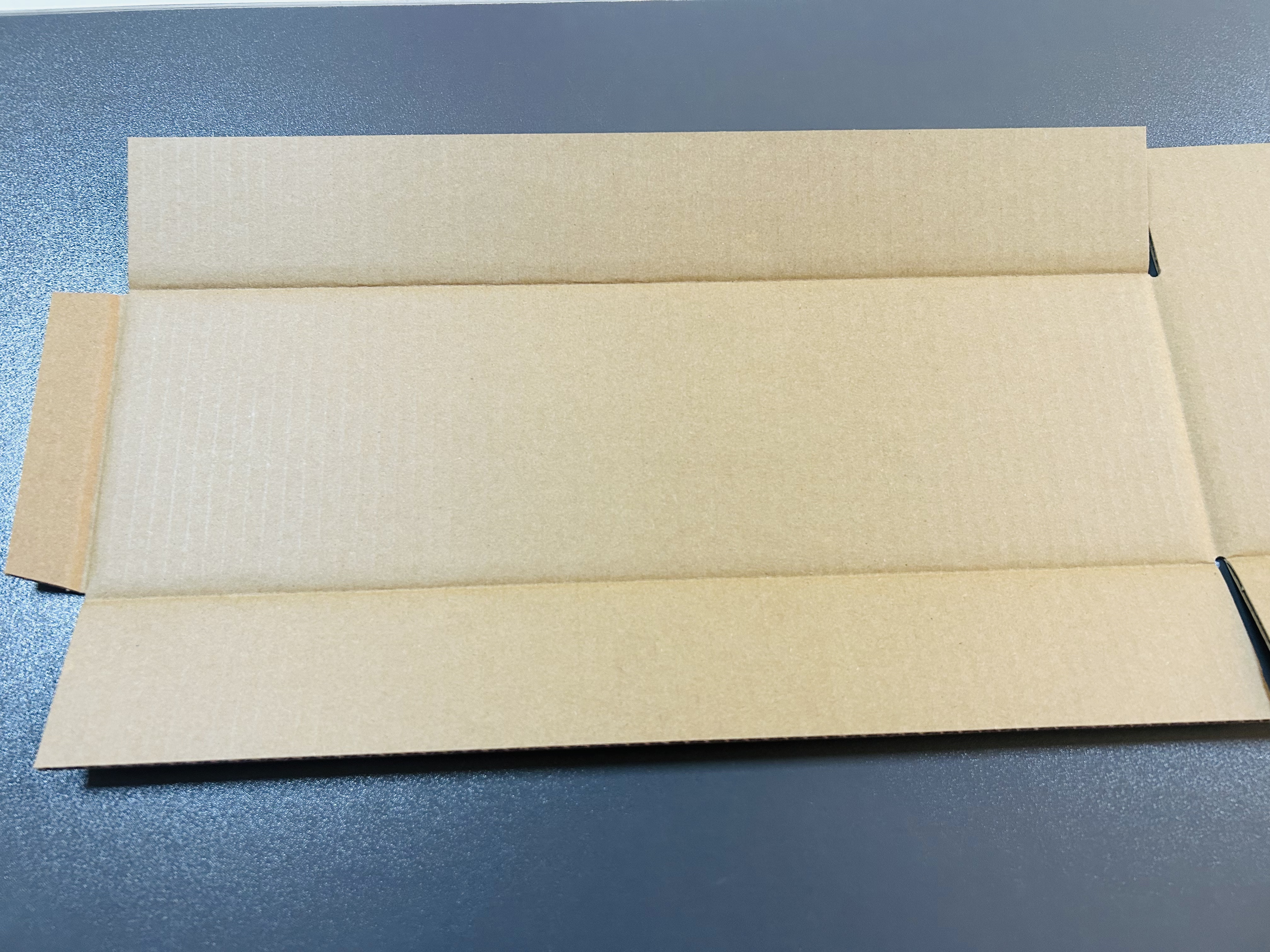
One of the most common applications is corrugated box sampling. The workflow is straightforward: import a DXF or PDF file, the machine cuts the outline and scores the fold lines in a single pass. The result is a flat sheet that folds into a finished box — no die required.
A Fact That Speaks Louder Than Any Promise
A Malaysian family-owned honeycomb paper products company, founded in 1993, purchased their first ZCCUTTER in 2023. In 2024, they bought a second. In 2025, a third.
They were not unable to afford European equipment. They tried, and found that this machine cut to the same standard they needed — and the service response was faster than they expected. When a minor fault occurred, an engineer connected remotely and resolved it the same day.
They bought three machines in a row. Not because of a discount. Because trust is built one machine at a time.
When the Third Option Makes Sense
You do not have to choose ZCCUTTER. But if any of the following applies to your situation, this option should be on your shortlist:
- Budget is in the middle — European equipment is out of reach, budget equipment is not trustworthy
- Prototyping cannot wait for dies — you need to shorten the cycle from design to physical sample
- You want to try digital cutting — but do not want to commit seven figures upfront
- You have a facility in Southeast Asia or Latin America — and need service that can actually reach you
About ZCCUTTER
Zhencai Technology (ZCCUTTER) was founded in 2015 in Dongguan, China, specializing in CNC intelligent cutting systems for flexible materials. The company has developed full in-house capabilities across vision algorithms, process databases, CNC systems, and machine structures. Nearly 6,000 users worldwide have validated the platform.
Four core technologies: 20-megapixel four-point CCD vision positioning · Dual closed-loop Z-axis depth control · AI1500 material process library · Multi-zone negative pressure adsorption.
Product series: ZCRA single-head precision · ZCRB dual-head integrated · ZCRC triple-head flagship · ZCRD quad-head / dual-beam flagship.
Free sample cutting: Send us your material. Tell us what you normally cut. We cut it and ship the sample back — free of charge, no commitment. Contact: 1290718407@qq.com | +86-139-2922-2267